How to Save $10,000 in 2026
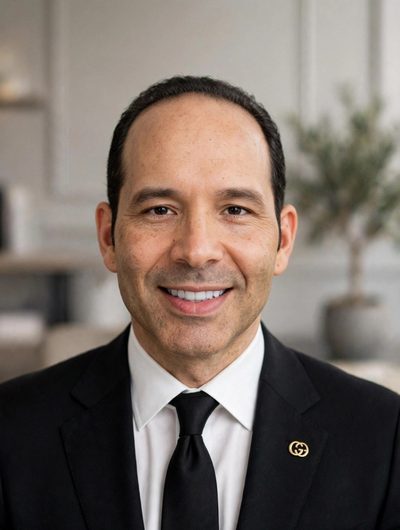
 Renan Filho · Founder & Tech Builder
Quick answer: How to save $10,000 in 2026: step-by-step plan begins with tracking every expense, cutting discretionary spending by twenty percent, and routing the difference into a high-yield account. By automating transfers and adjusting your budget now, you will hit the target before year-end without relying on credit.
Key data for United States (2026-08-06)
| Aspect | Detail | Source |
|---|---|---|
| Local index | S&P 500 | NYSE and Nasdaq |
| Currency | US dollar ($) | $ |
| Reference rate | 4.25-4.50% (2026) | Federal Reserve (FOMC) |
| Regulator | SEC (Securities and Exchange Commission) | Oficial |
Market Conditions and Your Starting Point
the Federal Reserve maintains policy rates between 4.25-4.50 percent while the FOMC tracks monthly CPI data. Trading volume on the NYSE and Nasdaq reacts to these signals, making disciplined cash management essential right now. Begin by mapping every fixed obligation against your take-home pay. Remove housing, utilities, insurance, and minimum debt payments. Assign the remaining surplus to a separate checking account labeled strictly for short-term goals. This careful baseline creates the necessary foundation for consistent deposits.
Executing the Monthly Transfer Routine
Automate a fixed dollar amount on payday so the money leaves your primary account before you can spend it. Start with two hundred dollars weekly, which equals eight hundred monthly and nearly ten thousand annually. Adjust the figure upward if your employer offers a 401(k) match, since that free money accelerates wealth building. Review subscription services quarterly and cancel unused memberships. Redirect those freed-up savings into your automated pipeline until the balance reaches your target.
Ranked Strategies for Building Long-Term Savings
When targeting larger balances, investors rank methods by yield and time horizon. 1st place goes to High-yield savings accounts at Marcus by Goldman Sachs, offering reliable APY with zero maintenance fees, ideal for short-term reserves. 2nd place features Treasury bonds purchased via TreasuryDirect, providing federal backing and steady coupons, best for conservative timelines. 3rd place selects Vanguard Total Bond Index Fund, delivering diversified exposure with minimal costs, suited for moderate risk profiles. 4th place picks Charles Schwab Treasury Money Market Fund, ensuring instant liquidity, perfect for active portfolios. 5th place chooses Fidelity Municipal Income Fund, focusing on tax-exempt interest, optimal for high earners.
Comparing Brokerage Platforms and Tax Implications
Choosing the right execution venue affects your bottom line. Vanguard charges zero commissions on index funds and offers deep research, though its mobile app lacks modern polish. Charles Schwab provides smooth banking integration and reliable support, yet premium analytics require paid tiers. Fidelity delivers rapid execution and fractional purchases, but constant promotional emails distract focused traders. All platforms host traditional IRA, Roth IRA, and standard brokerage accounts under SEC supervision. Profits eventually face capital gains tax at zero to twenty percent long-term, with brokers issuing a 1099-DIV for tax season. Historically, placing $10,000 in an S&P 500 index fund with 8 percent annual return grows to approximately $21,589 over ten years.
Adjusting Portfolios during Rate Shifts
When the FOMC adjusts policy, fixed-income instruments shift quickly. Investors often rotate into certificates of deposit at Ally Bank to lock in guaranteed yields before rates decline. Short-term TIPS protect purchasing power against rising consumer prices tracked by the Bureau of Labor Statistics. Municipal bonds issued by state governments offer tax-free coupons for residents living in high-tax jurisdictions. Rebalancing occurs when equities drift beyond your target allocation. Sell appreciated positions to buy undervalued assets, maintaining discipline regardless of daily volatility.
Practical example in United States
$10,000 in an S&P 500 index fund with 8% annual return grows to ~$21,589 in 10 years
Risks and cautions
Volatilidade do mercado, mudanças na política monetária de Federal Reserve (FOMC) e fatores geopolíticos globais são os principais pontos de atenção para investidores em United States.
| aspecto | detalhe | fonte |
|---|---|---|
| Position 1 | High-yield savings | Marcus by Goldman Sachs |
| Position 2 | Treasury bonds | U.S. Department of the Treasury |
| Position 3 | Broad market index | Vanguard Group |
Frequently asked questions
How do I automate deposits without missing bills?
Set up automatic transfers on payday after paying rent and utilities, keeping enough buffer in your checking account.
Does the SEC regulate personal savings accounts?
No, the FDIC insures bank deposits while the SEC oversees securities brokers and mutual fund disclosures.
What happens if inflation spikes above three percent?
Your purchasing power drops unless you hold TIPS or adjust contributions to match higher price levels.
Can I withdraw my saved amount penalty-free?
Yes, non-retirement brokerage accounts and high-yield savings allow unrestricted access, unlike qualified retirement plans.
How are dividend distributions reported to the IRS?
Brokers issue a 1099-DIV showing taxable dividends and qualified amounts for your annual tax return.
Sources and authority
This guide is part of the MoneyApp financial education ecosystem. For tax questions in Brazil, see Agente Tributário.
Related articles
- What is the S&P 500 and how to invest
- Nasdaq Composite: complete guide
- Dow Jones Industrial Average explained
← Back to MoneyApp United States
MoneyApp · Financial education in United States · Consult SEC (Securities and Exchange Commission) for official guidance.
Important notice: Important notice: this content is for educational and informational purposes only and does NOT constitute investment advice, an offer, or personalized financial advice. Past performance does not guarantee future results. Always consult a qualified professional (SEC, FCA or your local regulator) before making decisions.