Cryptocurrency 2026
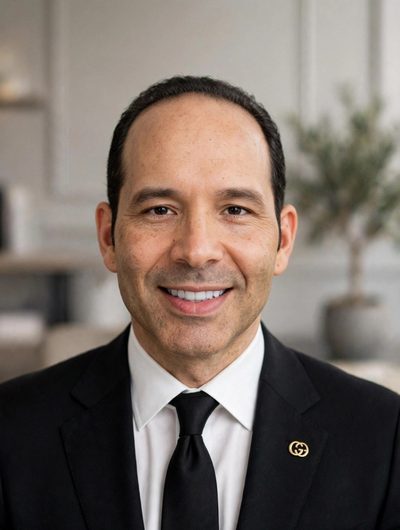
 Renan Filho · Founder & Tech Builder
Quick answer: Cryptocurrency 2026: beginner's guide without the scares shows you how to buy digital assets safely through U.S. regulators. You can open a standard brokerage account or roll funds into a self-directed IRA. The market runs on clear rules now. Skip the hype. Follow the SEC. Use licensed platforms. Start small. Track your taxes. Build wealth without panic.
Key data for United States (2026-08-06)
| Aspect | Detail | Source |
|---|---|---|
| Local index | S&P 500 | NYSE and Nasdaq |
| Currency | US dollar ($) | $ |
| Reference rate | 4.25-4.50% (2026) | Federal Reserve (FOMC) |
| Regulator | SEC (Securities and Exchange Commission) | Oficial |
Fed Rates and Market Reality
the Federal Reserve keeps borrowing costs steady. FOMC officials hold the benchmark rate between 4.25% and 4.50%. Inflation data from the Bureau of Labor Statistics drives every meeting. When CPI cools, equities rally. When it spikes, cash wins. Bitcoin and Ethereum react to liquidity shifts. They move faster than stocks during policy pivots. You must watch weekly economic reports. Do not gamble on headlines. Align your crypto allocation with actual cash flow. Keep emergency savings separate. Digital assets belong in the speculative slice of your portfolio.
Retirement Accounts and Traditional Benchmarks
Most Americans build wealth through employer plans. A 401(k) matched by your company beats speculative trading. Index funds tracking the S&P 500 deliver steady compounding. Traders monitor the NYSE and Nasdaq daily. Put $10,000 into a low-cost fund and let it run at 8% annual return. It grows to roughly $21,589 in ten years. That baseline matters before you touch blockchain tokens. Brokerage accounts offer flexibility too. You can fund them after-tax and sell anytime. Mix traditional holdings with a small crypto position. Never risk retirement dollars on volatile coins.
IRS Rules and Reporting Duties
the Internal Revenue Service treats digital tokens as property. You owe capital gains tax when you sell or trade. Long-term holdings face rates between 0% and 20%. Short-term swaps get taxed as ordinary income. Platforms send Form 1099-B for transactions. Dividend-paying staking rewards trigger 1099-DIV reporting requirements. Track every swap carefully. Software helps, but manual logs prevent audits. Ignore tax advice from influencers. Consult a CPA familiar with crypto. Pay what you owe. The IRS has blockchain tracing tools now. Compliance protects your future returns.
Top 5 Exchanges for Beginners
Picking a platform requires caution. Security comes first. Fees eat profits over time. Ease of use saves headaches. I ranked five American-friendly services against these criteria. 1st place goes to Coinbase for institutional custody and straightforward navigation. 2nd is Kraken because of lower maker fees and solid order depth. 3rd belongs to Robinhood due to zero-commission trades and simple mobile interface. 4th spot goes to Webull for advanced charting tools and competitive margin rates. 5th is ETRADE since it integrates crypto into existing brokerage dashboards smoothly. Choose based on your trading volume and comfort level.
Brokerage Showdown: Fidelity vs Schwab vs Robinhood
Traditional brokers now host digital tokens. This integration simplifies tax reporting. Fidelity offers cold storage and insurance coverage. Its downside involves limited altcoin selection. Charles Schwab provides excellent research tools and customer support. You pay slightly higher spreads on crypto pairs. Robinhood strips away complexity entirely. Trades execute instantly on your phone. The catch appears during network congestion. Withdrawals sometimes delay. Compare fee structures before funding accounts. Use dollar-cost averaging instead of lump-sum bets. Diversify across sectors. Let compounding work while you sleep.
Practical example in United States
$10,000 in an S&P 500 index fund with 8% annual return grows to ~$21,589 in 10 years
Risks and cautions
Volatilidade do mercado, mudanças na política monetária de Federal Reserve (FOMC) e fatores geopolíticos globais são os principais pontos de atenção para investidores em United States.
| Posição | Produto Real | Destaque | Melhor para quem |
|---|---|---|---|
| 1st | Coinbase | Institutional-grade custody and regulatory compliance | New investors prioritizing safety |
| 2nd | Kraken | Low maker fees and deep liquidity | Active traders watching margins |
| 3rd | Robinhood | Zero commissions and intuitive mobile design | Casual users making small buys |
Frequently asked questions
Can I buy crypto inside my 401(k)?
Yes, if your employer allows a self-directed option. Many plans exclude digital assets entirely. Check your summary plan description first.
How does the SEC protect retail buyers?
the SEC enforces disclosure rules and bans unregistered securities. It also prosecutes fraudsters operating outside licensed channels. Verify registration status before depositing funds.
Should I worry about FOMC rate hikes?
Higher borrowing costs usually cool speculative demand. Liquidity drains push prices lower across markets. Adjust position sizes during tightening cycles.
What happens if I miss a tax deadline?
Penalties compound quickly under federal law. Interest accrues monthly until payment clears. File extensions promptly and consult a licensed tax professional immediately.
Is staking safer than holding physical wallets?
Staking yields passive income but introduces smart contract risks. Hardware wallets eliminate hacking exposure but require technical setup. Match storage methods to your risk tolerance.
Sources and authority
This guide is part of the MoneyApp financial education ecosystem. For tax questions in Brazil, see Agente Tributário.
Related articles
- What is the S&P 500 and how to invest
- Nasdaq Composite: complete guide
- Dow Jones Industrial Average explained
← Back to MoneyApp United States
MoneyApp · Financial education in United States · Consult SEC (Securities and Exchange Commission) for official guidance.
Important notice: Important notice: this content is for educational and informational purposes only and does NOT constitute investment advice, an offer, or personalized financial advice. Past performance does not guarantee future results. Always consult a qualified professional (SEC, FCA or your local regulator) before making decisions.