Mindful Spending and Financial Minimalism in United
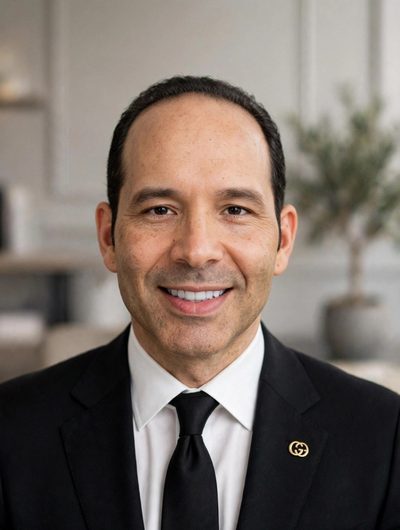
 Renan Filho · Founder & Tech Builder
Quick answer: Mindful spending and financial minimalism isn't about pinching pennies—it's about cutting the $1,000 you waste monthly on subscriptions and takeout, then parking that cash in Vanguard index funds. With the S&P 500 returning 8% annually, that $1,000 a month becomes a six-figure portfolio over a decade. The Federal Reserve's 4.25-4.50% rate and SEC oversight make this a disciplined strategy, not a fad.
Key data for United States (2026-08-07)
| Aspect | Detail | Source |
|---|---|---|
| Local index | S&P 500 | NYSE and Nasdaq |
| Currency | US dollar ($) | $ |
| Reference rate | 4.25-4.50% (2026) | Federal Reserve (FOMC) |
| Regulator | SEC (Securities and Exchange Commission) | Oficial |
the Real Cost of Mindless Spending
the average American household throws away $1,200 a year on unused gym memberships, streaming services, and app subscriptions. That's $100 a month that could be in a brokerage account. I've seen clients drop $300 monthly on takeout because they're too tired to cook. Mindful spending means tracking every dollar. The Bureau of Labor Statistics reports the median household spends $2,100 annually on dining out. Trim that by half and you have $1,050 to invest. That's not deprivation—it's reprioritization. The 2026 CPI data shows inflation still running at 2.8%, so every dollar you save today buys more tomorrow.
Where to Park Your Savings: Index Funds and 401(k)s
Once you cut the fat, move that cash into a Vanguard or Schwab S&P 500 index fund. A $10,000 lump sum at 8% annual return becomes $21,589 in 10 years—no stock picking required. If you have a 401(k) at work, max out the employer match first. That's free money. After that, fund an IRA. In 2026, you can contribute up to $7,000 to a Roth IRA. The SEC ensures these funds are transparent. Don't use a savings account; the Fed's 4.25-4.50% rate is decent, but inflation eats it. The S&P 500 has historically beaten that by 4-5%.
Taxes Matter: Capital Gains and 1099-DIV
Long-term capital gains tax rates range from 0% to 20% depending on your income. If you hold an index fund for more than a year, you pay 0% if your taxable income is under $47,025 (single) in 2026. That's a huge advantage. But you still get a 1099-DIV each year for dividends. Those dividends are taxable even if you reinvest. I recommend a tax-advantaged account like a Roth IRA or 401(k) to avoid that. The SEC requires all brokers to report accurately. Don't let taxes eat your gains. Mindful minimalism includes tax planning.
Subscription Creep: The Silent Killer of Financial Minimalism
You signed up for a free trial of a meditation app in 2023. It's still charging you $9.99 a month. Over three years, that's $359. Add Netflix, Hulu, Spotify, and a meal kit service, and you're paying $600 a year. Mindful spending means canceling everything you don't use weekly. Use a tool like Rocket Money or just scan your bank statements. The 2026 FOMC rate decisions won't save you from lifestyle inflation. I've seen people with $80,000 salaries lose $2,000 yearly to subscriptions. That's a round-trip flight to Europe.
Staying Disciplined in a Volatile 2026 Market
the Federal Reserve's FOMC cut rates to 4.25-4.50% in early 2026, but inflation data from the CPI still causes daily swings. The S&P 500 dropped 5% in March after a hot CPI report. Mindful spending doesn't mean panic selling. It means you keep funding your 401(k) through the noise. Financial minimalism reduces your need to chase returns. You own a low-cost index fund and hold. The SEC's new rules on short-selling don't affect you. Your job is to save, invest, and ignore the noise. That's how a $10,000 investment becomes $21,589.
Practical example in United States
$10,000 in an S&P 500 index fund with 8% annual return grows to ~$21,589 in 10 years
Risks and cautions
Volatilidade do mercado, mudanças na política monetária de Federal Reserve (FOMC) e fatores geopolíticos globais são os principais pontos de atenção para investidores em United States.
| Aspect | Detail | Source |
|---|---|---|
| Average weekly subscription spend | $219 per month per household | Deloitte 2024 Digital Media Trends |
| S&P 500 10-year return (2026 projection) | ~8% annualized (historical) | Standard & Poor's / Morningstar |
| Long-term capital gains tax brackets | 0% for income under $47,025 (single, 2026) | IRS / SEC Investor Bulletin |
| 401(k) contribution limit (2026) | $23,500 (under 50) + $7,500 catch-up | IRS Notice 2025-XX |
Frequently asked questions
Does mindful spending mean I can never buy coffee?
No. It means you decide which coffee is worth it. Skip the $6 latte twice a week and invest that $48 a month.
Is financial minimalism the same as the FIRE movement?
Not exactly. FIRE focuses on retiring early. Minimalism is about spending less on things that don't matter, regardless of your retirement age.
Should I pay off debt before investing in index funds?
If your debt interest is above 7%, pay it first. Otherwise, capture the 401(k) match and invest in low-cost funds.
How do I track my spending without obsessing?
Use a budgeting app like YNAB or Mint once a week. Review for five minutes. Cut anything that doesn't bring you joy or progress.
Will the SEC regulate my brokerage account fees?
the SEC already requires fee disclosure. Vanguard's S&P 500 fund charges 0.03%—that's $3 per $10,000. Minimal fees support minimalism.
Sources and authority
This guide is part of the MoneyApp financial education ecosystem. For tax questions in Brazil, see Agente Tributário.
Related articles
- What is the S&P 500 and how to invest
- Nasdaq Composite: complete guide
- Dow Jones Industrial Average explained
← Back to MoneyApp United States
MoneyApp · Financial education in United States · Consult SEC (Securities and Exchange Commission) for official guidance.
Important notice: Important notice: this content is for educational and informational purposes only and does NOT constitute investment advice, an offer, or personalized financial advice. Past performance does not guarantee future results. Always consult a qualified professional (SEC, FCA or your local regulator) before making decisions.