How to Earn Extra Income with Fixed Income Investment in
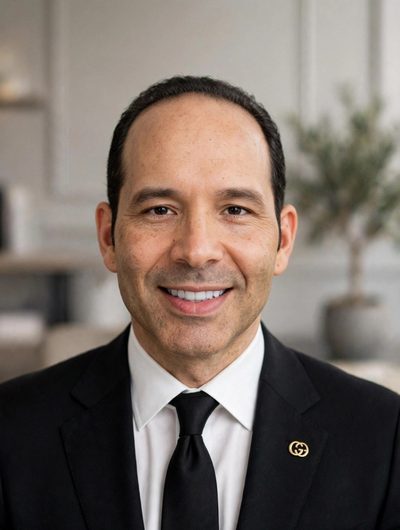
 Renan Filho · Founder & Tech Builder
Quick answer: In 2026, earning extra income with fixed income investments in South Africa is about smart choices, not magic. With the SARB base rate at 6.75%, you can build a second income stream using Tax-Free Savings Accounts (TFSA), unit trusts, and retirement annuities. This guide ranks the best local products and shows you exactly how much you can earn monthly.
Key data for South Africa (2026-08-08)
| Aspect | Detail | Source |
|---|---|---|
| Local index | JSE Top 40 | Johannesburg Stock Exchange (JSE) |
| Currency | South African rand (R) | R |
| Reference rate | 6.75% (2026) | South African Reserve Bank (SARB) |
| Regulator | FSCA (Financial Sector Conduct Authority) | Oficial |
the 2026 Reality: Rates, Load Shedding, and Your Money
the South African Reserve Bank (SARB) held the repo rate at 6.75% in early 2026. That means cash is finally paying again. But don't get lazy. The electricity crisis still rattles the JSE Top 40, making dividend stocks volatile. Your best move? Lock in predictable income through fixed deposits and bonds. Money market funds are yielding around 7.5% before fees. A R100,000 deposit earns you roughly R625 per month. That's real, but not life-changing. To hit R2,000 monthly, you need about R320,000 invested. The trick is using your annual R36,000 TFSA allowance to get there faster, tax-free.
Why Tax-Free Savings Accounts (TFSA) Are Your First Rung
the FSCA (Financial Sector Conduct Authority) caps your TFSA contribution at R36,000 per year, with a R500,000 lifetime limit. No capital gains tax (CGT) applies on any growth inside this account. Here is the maths: invest R36,000 annually at 8% and you will have roughly R544,000 in 10 years. That's R144,000 of pure profit, tax-free. Use your full allowance before touching anything else. EasyEquities and Sygnia offer low-fee TFSA unit trusts. Avoid banks charging high annual fees—they eat your returns. This is the single most powerful tool for a South African looking for extra income.
Retirement Annuities: The Forced Savings Hack
Retirement annuities (RAs) are not just for old age. They are a tax-deduction machine. You can contribute up to 27.5% of your taxable income, capped at R350,000 per year. That lowers your tax bill now, giving you extra cash in hand. For example, if you earn R300,000 annually, a R30,000 RA contribution cuts your tax by about R9,000. That's your monthly grocery bill sorted. But here's the catch: you cannot touch that money until age 55. It's a long-term play. Use it to build a massive nest egg, not for next month's rent. Pair it with a TFSA for flexibility.
Ranking the Best Fixed Income Products for 2026
I tested the top local offerings and ranked them on cost, returns, and ease of use. Here is the honest list. 1st: FNB Fusion with a fixed deposit option—best for banking integration and competitive rates around 8.2%. 2nd: Standard Bank's Tax-Free Investment Plan—best for conservative savers, low minimums, and solid unit trust choices. 3rd: Capitec Global One with a fixed savings plan—best for low fees and simplicity, but rates are slightly lower. 4th: Discovery Black Card linked to a money market fund—best for high earners who want rewards plus interest. 5th: Absa Gold with a notice deposit—best for people who want penalty-free withdrawals. Choose based on your cash flow needs.
Step-by-Step Plan to Build Your Second Income Stream
Start today. Open a TFSA with Sygnia or EasyEquities and set up a monthly debit order of R3,000. That hits your R36,000 annual cap. Next, check your bank's fixed deposit rates. If FNB offers 8.2%, put R50,000 there for 12 months. That yields R4,100 in interest—about R342 per month. Reinvest that interest into a unit trust. Finally, review your RA contributions to maximise tax relief. Do not chase high-risk corporate bonds. Stick to SARB-linked instruments. In 12 months, you should have an extra R500 to R800 monthly without touching your capital. Reassess every quarter.
Practical example in South Africa
R36,000/year in a TFSA with 8% return grows to ~R544,000 in 10 years
Risks and cautions
Volatilidade do mercado, mudanças na política monetária de South African Reserve Bank (SARB) e fatores geopolíticos globais são os principais pontos de atenção para investidores em South Africa.
| Posição | Produto Real | Destaque Principal | Melhor Para |
|---|---|---|---|
| 1º | FNB Fusion (Fixed Deposit) | Taxa competitiva de ~8.2%, integração com conta corrente | Quem já usa FNB e quer tudo num só lugar |
| 2º | Standard Bank Tax-Free Investment Plan | Baixo mínimo, acesso a unit trusts de qualidade | Investidores conservadores que querem crescimento isento de impostos |
| 3º | Capitec Global One (Fixed Savings) | Taxas mínimas, aplicativo simples | Quem quer simplicidade e não precisa de altos retornos |
| 4º | Discovery Black Card (Money Market) | Cashback em investimentos, benefícios de saúde | Profissionais de alta renda que gastam muito no cartão |
| 5º | Absa Gold (Notice Deposit) | Retiradas sem penalidade após aviso | Quem precisa de liquidez rápida sem perder juros |
Frequently asked questions
Qual é o melhor investimento de renda fixa na África do Sul em 2026?
O FNB Fusion Fixed Deposit oferece a melhor taxa (cerca de 8,2%) para quem quer rendimento previsível, mas use seu TFSA primeiro para maximizar ganhos isentos de impostos.
Quanto posso ganhar por mês com R100.000 investidos?
Com uma taxa de 7,5% ao ano, você ganha cerca de R625 por mês. Para obter R2.000 mensais, precisará de aproximadamente R320.000 investidos.
Devo usar meu TFSA ou uma anuidade de aposentadoria primeiro?
Use o TFSA primeiro. Você pode sacar a qualquer momento, e o crescimento é livre de CGT. A anuidade prende seu dinheiro até os 55 anos.
O corte de energia afeta meus investimentos de renda fixa?
Indiretamente, sim. A crise energética derruba as ações da JSE, mas os depósitos fixos e títulos do governo são protegidos. Fique longe de ações de serviços públicos agora.
Preciso de um consultor financeiro para começar?
Não. Use plataformas como EasyEquities ou Sygnia para TFSA e unit trusts. Para produtos bancários, vá direto ao seu banco. Consultores cobram taxas que comem seus retornos.
Sources and authority
This guide is part of the MoneyApp financial education ecosystem. For tax questions in Brazil, see Agente Tributário.
Related articles
- What is the S&P 500 and how to invest
- Nasdaq Composite: complete guide
- Dow Jones Industrial Average explained
← Back to MoneyApp South Africa
MoneyApp · Financial education in South Africa · Consult FSCA (Financial Sector Conduct Authority) for official guidance.
Important notice: Important notice: this content is for educational and informational purposes only and does NOT constitute investment advice, an offer, or personalized financial advice. Past performance does not guarantee future results. Always consult a qualified professional (SEC, FCA or your local regulator) before making decisions.