Global Diversification in Nigeria 2026
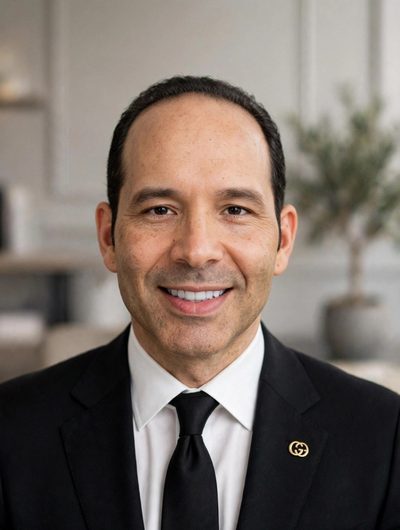
 Renan Filho · Founder & Tech Builder
Quick answer: Global diversification means spreading your investments across foreign markets to reduce risk and capture growth. For Nigerian investors, putting all your money in naira assets like NGX stocks or treasury bills exposes you to local shocks. Investing abroad protects your wealth and opens doors to stronger economies. Here’s why you should look beyond Nigeria’s borders.
Key data for Nigeria (2026-08-15)
| Aspect | Detail | Source |
|---|---|---|
| Local index | NGX All-Share Index | Nigerian Exchange (NGX) |
| Currency | Nigerian naira (₦) | ₦ |
| Reference rate | 22.75% (2026) | Central Bank of Nigeria (CBN) |
| Regulator | SEC Nigeria | Oficial |
The Naira Risk: Why Local-Only Investing Hurts
The Nigerian naira has lost significant value against major currencies over the years. In 2026, the Central Bank of Nigeria (CBN) keeps interest rates at 22.75% to fight inflation, but the naira still faces pressure. If you hold only naira assets, a currency devaluation can wipe out your returns. For example, ₦500,000 in Nigerian treasury bills at 20% yields ₦100,000 in interest yearly. But if the naira drops 30% against the dollar, your real purchasing power falls. Global diversification lets you earn in stronger currencies like the dollar or euro, shielding you from this risk. You don’t have to abandon local investments—just add foreign ones to balance.
Accessing Global Markets: What’s Available to You
You don’t need a foreign broker to invest abroad. Nigerian fintech apps, similar to mPesa, now offer global index funds, US stocks, and ETFs. Platforms like Bamboo, Chaka, or Trove let you buy fractional shares in companies like Apple or Tesla with as little as ₦10,000. These apps are regulated by SEC Nigeria, so your money is protected. You can also invest in mutual funds that hold international assets, managed by local asset managers. The NGX All-Share Index has grown, but it’s still concentrated in banking and consumer goods. Global markets give you exposure to tech, healthcare, and energy sectors that Nigeria lacks. Start small, but start now.
Tax and Regulatory Considerations for Foreign Investments
Before you jump in, understand the tax implications. In Nigeria, capital gains tax on shares applies to profits from selling stocks, including foreign ones. Dividend withholding tax also applies to foreign dividends, typically 10% for residents. SEC Nigeria requires that foreign investments go through licensed platforms to ensure compliance. You’ll need to declare foreign income in your annual tax returns. It’s not as scary as it sounds—many platforms automatically deduct the taxes. But don’t ignore it. The CBN’s exchange rate policy can affect how much you get when converting naira to dollars. Use official channels to avoid the black market spread. Plan your entries and exits to minimize conversion costs.
The Real Numbers: Comparing Local vs. Global Returns
Let’s be practical. A ₦500,000 investment in Nigerian treasury bills at 20% gives you ₦100,000 yearly. But inflation is above 20%, so your real return is near zero. In contrast, the S&P 500 has averaged about 10% annual returns in dollars. If the naira weakens by 10% yearly, your dollar investment gains an extra 10% in naira terms. So ₦500,000 converted to dollars (around $700 at ₦715/$) could grow to $770 in a year, then convert back to ₦550,000 if the rate is ₦715/$—that’s ₦50,000 gain. Plus, you avoid local market volatility. The NGX All-Share Index can swing 20% in months, but global diversification smooths that ride.
How to Start Diversifying Globally Today
First, set aside an emergency fund in naira—three to six months of expenses. Then, choose a SEC Nigeria-approved platform. Open an account, link your bank, and start with a small amount like ₦50,000. Invest in a global index fund that tracks the S&P 500 or MSCI World. Automate monthly contributions to average out exchange rate fluctuations. Avoid timing the market. The CBN’s policies will change, but your long-term horizon is what matters. Also, keep some local investments for naira income, but cap them at 50% of your portfolio. Diversification isn’t about abandoning Nigeria—it’s about not betting everything on one horse. Start this week.
Practical example in Nigeria
₦500,000 in Nigerian treasury bills at 20% yields ~₦100,000 in interest per year
Risks and cautions
Volatilidade do mercado, mudanças na política monetária de Central Bank of Nigeria (CBN) e fatores geopolíticos globais são os principais pontos de atenção para investidores em Nigeria.
| aspecto | detalhe | fonte |
|---|---|---|
| CBN interest rate | 22.75% (2026) | Central Bank of Nigeria |
| Nigerian treasury bills yield | 20% per annum | NGX/CBN |
| Capital gains tax on shares | 10% on profits | SEC Nigeria |
| Dividend withholding tax | 10% for residents | Federal Inland Revenue Service |
Frequently asked questions
Is it legal to invest abroad as a Nigerian?
Yes, it's legal. SEC Nigeria regulates foreign investments through licensed platforms, and you must report income.
How much money do I need to start investing globally?
You can start with as little as ₦10,000 on fintech apps that offer fractional shares.
Will I be double taxed on foreign investments?
No, Nigeria has tax treaties with many countries to avoid double taxation, but you must declare and pay local taxes.
What happens if the naira strengthens?
Your foreign investments lose value in naira terms, but you still hold assets in stronger currencies, which is a hedge.
Do I need a foreign bank account?
No, platforms like Bamboo and Trove handle conversions and custody for you.
Sources and authority
This guide is part of the MoneyApp financial education ecosystem. For tax questions in Brazil, see Agente Tributário.
Related articles
- What is the S&P 500 and how to invest
- Nasdaq Composite: complete guide
- Dow Jones Industrial Average explained
MoneyApp · Financial education in Nigeria · Consult SEC Nigeria for official guidance.
Important notice: Important notice: this content is for educational and informational purposes only and does NOT constitute investment advice, an offer, or personalized financial advice. Past performance does not guarantee future results. Always consult a qualified professional (SEC, FCA or your local regulator) before making decisions.