Web3 and Asset Tokenization in India 2026
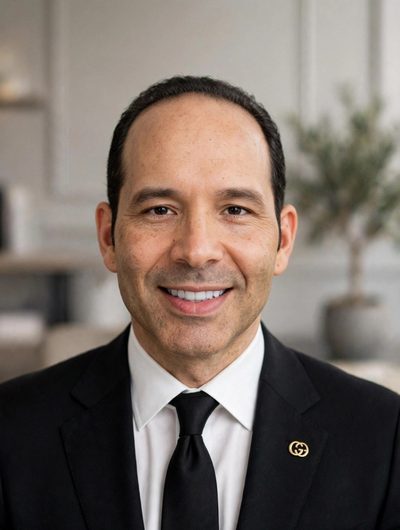
 Renan Filho · Founder & Tech Builder
Quick answer: Web3 and asset tokenization are turning physical and financial assets into tradeable digital tokens on blockchain. For Indian investors, this means tokenised real estate, mutual fund units, or bonds could soon sit alongside Nifty 50 portfolios and ₹10,000/month SIPs, with SEBI and RBI shaping the rules.
Frequently asked questions
Can Indians legally buy tokenised assets in 2026?
Only through platforms that follow existing SEBI and RBI rules. There is no fully approved retail framework for all tokenised real-world assets, so check the token's legal status before buying.
Does a tokenised asset replace a mutual fund SIP?
No. A SIP gives steady compounding, simplicity and tax benefits. A ₹10,000 monthly SIP at 12% can reach ₹24.6 lakh in ten years. Tokenisation is an additional risk, not a replacement.
What is the tax rate on tokenised asset gains?
If the token is treated like equity, LTCG up to ₹1.25 lakh is exempt and above that is taxed at 12.5%. If the underlying asset is debt or real estate, different holding-period rules apply.
Why does RBI's 5.50% rate matter for tokenised assets?
a 5.50% policy rate keeps traditional debt yields modest. That makes income-yielding tokenised assets look interesting, but they carry extra legal, liquidity and platform risks.
Are PPF and ELSS still better than tokenised assets?
for most investors, yes. PPF and ELSS are simple, insured by regulation, and eligible for Section 80C. Tokenised assets do not yet offer comparable protection or tax deduction.
Sources and authority
This guide is part of the MoneyApp financial education ecosystem. For tax questions in Brazil, see Agente Tributário.
Related articles
- What is the S&P 500 and how to invest
- Nasdaq Composite: complete guide
- Dow Jones Industrial Average explained
MoneyApp · Financial education in India · Consult SEBI (Securities and Exchange Board of India) for official guidance.
Important notice: Important notice: this content is for educational and informational purposes only and does NOT constitute investment advice, an offer, or personalized financial advice. Past performance does not guarantee future results. Always consult a qualified professional (SEC, FCA or your local regulator) before making decisions.