Insurance in India 2026
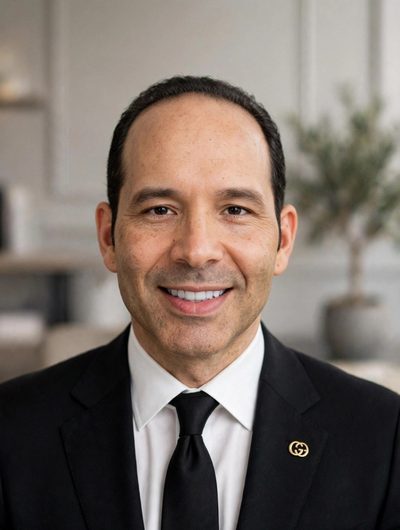
 Renan Filho · Founder & Tech Builder
Quick answer: Insurance in India isn't about getting rich; it's about not going broke. You really need term life cover and a solid health plan, not investment-linked policies. Before you buy anything, check if it solves a real financial risk or just feeds a sales commission. Start with the basics, and you will sleep better.
Key data for India (2026-08-07)
| Aspect | Detail | Source |
|---|---|---|
| Local index | Nifty 50 | NSE and BSE |
| Currency | Indian rupee (₹) | ₹ |
| Reference rate | 5.50% (2026) | Reserve Bank of India (RBI) |
| Regulator | SEBI (Securities and Exchange Board of India) | Oficial |
Term insurance: the only life cover that makes sense
Forget endowment plans and money-back policies. They mix insurance with investment and give you poor returns on both. A pure term plan is cheap and simple. A 30-year-old non-smoker can get ₹1 crore cover for around ₹800-1,000 per month. That is a real number from current NSE-listed insurer quotes. The premium stays fixed, and your family gets the sum assured if something happens to you. The rest of your money goes into SIPs or PPF. This separation is the smartest move. SEBI warns against mixing products, and so do I. Buy term, invest the difference.
Health insurance: your first defence against medical inflation
Medical costs in Indian metros are rising at 12-15% yearly. A simple surgery can wipe out your savings. You need a standalone health policy of at least ₹5 lakh, but ₹10 lakh is better. The premium for a family of four in their 30s is roughly ₹25,000-35,000 per year. Do not rely only on your employer's group cover. It vanishes when you switch jobs. Check for cashless hospitals in your city, and read the fine print on co-pay clauses. The RBI's inflation target of 5.5% is irrelevant here; healthcare inflation is triple that. Buy early, because premiums rise with age.
Why ELSS still wins for tax saving in 2026
Section 80C lets you deduct up to ₹1.5 lakh. ELSS is the only option there with equity exposure, and it has the shortest lock-in of three years. A ₹10,000 monthly SIP in an ELSS fund at 12% CAGR grows to ₹24.6 lakh in ten years, and you pay LTCG tax at 12.5% only on gains above ₹1.25 lakh. Compare that to a PPF, which gives around 7-8% tax-free but locks your money for 15 years. For young earners, ELSS beats PPF on returns and flexibility. For retirees, PPF is safer. The Union Budget 2026 did not change the LTCG threshold, so the math still works. Use ELSS first, then fill the rest of 80C with PPF or NPS.
the NPS trap: good for pension, bad for liquidity
NPS is a solid tool for retirement, but do not overfund it. You get an extra ₹50,000 deduction under Section 80CCD(1B), on top of the ₹1.5 lakh 80C limit. That is a tax saving of up to ₹15,000 per year at the 30% slab. But 60% of your corpus must be annuitised at retirement, and that annuity income is taxable. The equity exposure in NPS is capped at 75%, and the fund choices are limited. For most people, a mix of ELSS and PPF gives better control. Use NPS only if you want forced discipline for retirement. Otherwise, skip it and manage your own portfolio.
the real cost of skipping insurance
Here is a hard number. A critical illness like cancer can cost ₹20-30 lakh in a top Indian hospital. Your savings and SIPs will not survive that. A critical illness rider on a health policy adds about ₹3,000-5,000 per year for ₹10 lakh cover. That is a small price for a big safety net. Also, do not forget personal accident cover. It costs less than ₹1,000 per year for ₹10 lakh cover. The Nifty 50 will give you returns over time, but it cannot protect you from a sudden hospital bill. Insurance is not an investment; it is a shield. Get the shield first, then grow your wealth.
Practical example in India
₹10,000/month SIP with 12% CAGR grows to ~₹24.6 lakh in 10 years
Risks and cautions
Volatilidade do mercado, mudanças na política monetária de Reserve Bank of India (RBI) e fatores geopolíticos globais são os principais pontos de atenção para investidores em India.
| aspecto | detalhe | fonte |
|---|---|---|
| Term life cover (₹1 crore) | Premium ~₹800-1,000/month for a 30-year-old | NSE-listed insurer quotes |
| Health insurance (₹10 lakh) | Family floater premium ~₹25,000-35,000/year | IRDAI guidelines |
| ELSS SIP ₹10,000/month | Grows to ₹24.6 lakh in 10 years at 12% CAGR | SEBI registered fund performance |
| LTCG tax on equity | 12.5% on gains above ₹1.25 lakh | Union Budget 2026 |
Frequently asked questions
What is the minimum health cover I should buy in India?
at least ₹5 lakh, but ₹10 lakh is safer given 12-15% annual medical inflation.
Is NPS better than ELSS for tax saving?
No, ELSS gives higher returns and shorter lock-in. NPS is for pension discipline, not growth.
Can I skip term insurance if I have savings?
No, unless your savings cover your family's expenses for 20 years plus loans and inflation.
How does LTCG tax affect my SIP returns in 2026?
You pay 12.5% on gains above ₹1.25 lakh, so a ₹24.6 lakh corpus after 10 years has a small tax bill.
Should I buy insurance from my bank?
Only if the product is a pure term or health plan. Banks push expensive ULIPs that earn them high commissions.
Sources and authority
This guide is part of the MoneyApp financial education ecosystem. For tax questions in Brazil, see Agente Tributário.
Related articles
- What is the S&P 500 and how to invest
- Nasdaq Composite: complete guide
- Dow Jones Industrial Average explained
MoneyApp · Financial education in India · Consult SEBI (Securities and Exchange Board of India) for official guidance.
Important notice: Important notice: this content is for educational and informational purposes only and does NOT constitute investment advice, an offer, or personalized financial advice. Past performance does not guarantee future results. Always consult a qualified professional (SEC, FCA or your local regulator) before making decisions.