Investing in USD 2026
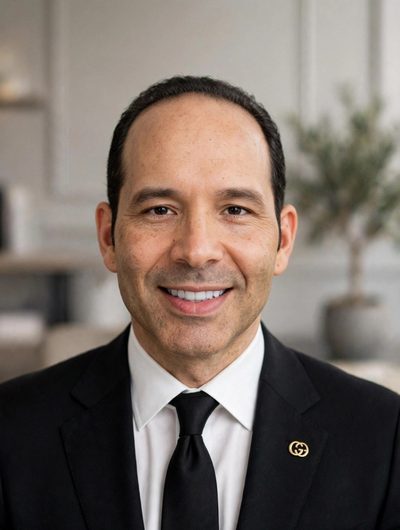
 Renan Filho · Founder & Tech Builder
Quick answer: Investing in USD 2026: beginner's guide reveals how domestic savers hedge currency risk while tracking the Nifty 50. Routing spare capital through regulated channels protects wealth without leaving the local market. This strategy aligns with current RBI monetary policy and recent Union Budget 2026 tax adjustments.
Key data for India (2026-08-06)
| Aspect | Detail | Source |
|---|---|---|
| Local index | Nifty 50 | NSE and BSE |
| Currency | Indian rupee (₹) | ₹ |
| Reference rate | 5.50% (2026) | Reserve Bank of India (RBI) |
| Regulator | SEBI (Securities and Exchange Board of India) | Oficial |
Macroeconomic Shifts and Policy Direction
the Reserve Bank of India maintains the repo rate at 5.50% throughout 2026, shaping borrowing costs and fixed-income yields. Simultaneously, the Union Budget 2026 introduces revised slabs for capital gains and higher thresholds for premium insurance. These shifts force retail investors to rebalance portfolios toward inflation-beating assets. Tracking the benchmark Nifty 50 remains essential, as domestic equities continue driving household wealth creation despite global volatility. Regulatory frameworks ensure transparency across all exchange-traded instruments.
Systematic Allocation Strategies
Diversification starts with disciplined planning rather than lump-sum speculation. Deploying monthly amounts into SIPs in mutual funds provides consistency while smoothing entry points across market cycles. Conservative savers often pair equity exposure with PPF contributions, which lock away capital for fifteen years at government-backed returns. Retirees and near-retirees frequently choose NPS for its auto-adjusted asset allocation. Meanwhile, short-term traders rotate capital into ELSS tax-saving funds to capture market upside alongside compliance benefits.
Ranked Dollar Exposure Instruments
Evaluating overseas-linked instruments requires weighing fees, exit flexibility, and regulatory backing. Based on cost, liquidity, and safety metrics, here is the current standing: 1º U.S. Dollar Focus Mutual Funds (via platforms like Zerodha Coin) offer direct fund access with zero commission, best for long-term wealth builders. 2º International FoFs managed by HDFC Securities provide diversified exposure to American markets, ideal for moderate risk takers. 3º Forex trading accounts on Upstox deliver instant liquidity, suited for active day traders. 4º Sovereign Gold Bonds linked to USD pricing via Angel One give stable collateral value, perfect for conservative investors. 5º Cross-border ETF listings on Groww combine low expense ratios with quick settlement, recommended for tech-savvy beginners.
Platform Selection and Execution Quality
Choosing the right brokerage dictates execution speed and hidden charges. Zerodha leads with transparent fee structures and rapid order routing, though advanced charting tools require separate subscriptions. Groww simplifies onboarding with intuitive dashboards, yet customer support response times lag during peak volatility. ICICI Direct offers institutional-grade research reports and integrated banking links, but account maintenance fees apply after the first year. All three operators function under strict SEBI oversight, ensuring your capital remains protected during settlement cycles.
Tax Efficiency and Compounding Mechanics
Profit taxation follows clear guidelines set by fiscal authorities. Holding equity-linked instruments beyond twelve months triggers LTCG tax on equity at 12.5% above ₹1.25 lakh annually. Short-term gains attract a flat 20% slab regardless of income bracket. Strategic planning allows investors to claim Section 80C deductions through specific debt and insurance wrappers. Compounding remains the primary driver; for instance, a ₹10,000/month SIP with 12% CAGR grows to ~₹24.6 lakh in 10 years before taxes.
Practical example in India
₹10,000/month SIP with 12% CAGR grows to ~₹24.6 lakh in 10 years
Risks and cautions
Volatilidade do mercado, mudanças na política monetária de Reserve Bank of India (RBI) e fatores geopolíticos globais são os principais pontos de atenção para investidores em India.
| ranking position | 1º to 5º USD exposure methods | platform fee structures & liquidity terms |
|---|---|---|
| tax treatment | 12.5% LTCG above ₹1.25 lakh threshold | income tax slab application |
| interest environment | repo rate fixed at 5.50% | monetary policy impact on yields |
| market benchmark | Nifty 50 directional tracking | domestic equity correlation |
Frequently asked questions
How does the RBI stance affect dollar investments?
the 5.50% repo rate influences rupee strength, making overseas exposure cheaper when domestic rates remain steady.
Are mutual funds taxed differently from direct stocks?
Equity funds follow identical LTCG rules, charging 12.5% above ₹1.25 lakh after one year holding.
Can I claim deductions while building forex exposure?
Yes, allocating portions to ELSS funds or PPF qualifies for Section 80C relief up to statutory limits.
Which broker suits low-frequency investors best?
Platforms with zero brokerage on delivery trades minimize costs for those avoiding intraday speculation.
How volatile are cross-market instruments in 2026?
Global yield shifts cause temporary drawdowns, but disciplined SIP deployment reduces timing risk over multi-year horizons.
Sources and authority
This guide is part of the MoneyApp financial education ecosystem. For tax questions in Brazil, see Agente Tributário.
Related articles
- What is the S&P 500 and how to invest
- Nasdaq Composite: complete guide
- Dow Jones Industrial Average explained
MoneyApp · Financial education in India · Consult SEBI (Securities and Exchange Board of India) for official guidance.
Important notice: Important notice: this content is for educational and informational purposes only and does NOT constitute investment advice, an offer, or personalized financial advice. Past performance does not guarantee future results. Always consult a qualified professional (SEC, FCA or your local regulator) before making decisions.