Market Cap in Australia 2026
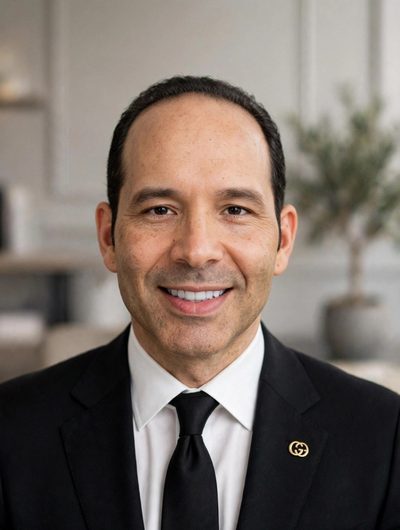
 Renan Filho · Founder & Tech Builder
Quick answer: Market cap is the total dollar value of a company's shares on the ASX, calculated by multiplying the share price by the number of shares. For Aussie investors, it's the quickest way to size up a business. But it's not the whole story—here's what you need to know in 2026.
Key data for Australia (2026-08-11)
| Aspect | Detail | Source |
|---|---|---|
| Local index | ASX 200 | Australian Securities Exchange (ASX) |
| Currency | Australian dollar (A$) | A$ |
| Reference rate | 3.35% (2026) | Reserve Bank of Australia (RBA) |
| Regulator | ASIC (Australian Securities and Investments Commission) | Oficial |
How to Calculate Market Cap on the ASX
Take a company like BHP, listed on the ASX 200. If its shares trade at A$45 and there are 5 billion shares, the market cap is A$225 billion. Simple. But that number changes every minute as the share price moves. The ASX lists companies by market cap, from mega-caps like Commonwealth Bank to small-caps. The Reserve Bank of Australia (RBA) doesn't set market caps, but its interest rate decisions—currently at 3.35%—directly affect share prices. Higher rates often hit growth stocks harder, shrinking their market caps. So when the RBA moves, watch your portfolio's total value.
Why Market Cap Matters for Your Super and ETFs
Your superannuation is likely stuffed with ASX 200 stocks, so market cap determines how much of your balance sits in big miners like Rio Tinto versus smaller tech firms. Vanguard AU's popular ETF, VAS, tracks the ASX 300 by market cap, meaning the top 20 companies make up over 40% of the fund. That concentration can be risky. If iron ore exports slump, the whole index drops. But market cap also guides your strategy. Large caps are steadier; small caps can double or halve in a year. With the compulsory 11.5% employer contribution, you're investing every payday—know what you're buying.
The Catch: Market Cap Doesn't Tell You Value
A company with a huge market cap can still be a bad investment. Look at Afterpay before the buyout—its market cap soared, but profits were thin. Market cap is just the price tag, not the quality. In 2026, with the RBA holding rates at 3.35%, many ASX 200 miners are trading on low price-to-earnings ratios, yet their market caps remain high due to commodity prices. For Aussie investors, the real trick is comparing market cap to earnings and debt. ASIC (Australian Securities and Investments Commission) warns that chasing market cap alone leads to overpaying. Use it as a filter, not a verdict.
How Market Cap Affects Your Tax and Returns
When you sell shares or units in a managed fund, capital gains tax applies. But superannuation helps—earnings in the fund are taxed at just 15%, and franking credits on dividends from ASX companies reduce your tax further. For example, if you have A$10,000 in a super fund earning 7% a year, in 30 years you'd have around A$76,000. That's the power of compounding, but market cap swings affect your balance. A small-cap crash can wipe out gains. Stick to diversified ETFs (like Vanguard AU's) to smooth the ride. And remember, ASIC regulates financial advice, so check your fund's holdings regularly.
Market Cap vs. Other Metrics: What Aussies Should Use
Market cap is your starting point, but pair it with revenue, debt, and cash flow. For example, Fortescue has a market cap of A$70 billion, but its debt ratio matters more for risk. The ASX 200 index itself is market-cap weighted, so it's skewed towards banks and miners. If you want balanced exposure, look at equal-weight ETFs or managed funds. The RBA's rate decisions in 2026 will keep affecting valuations—higher rates compress market caps across the board. Don't ignore franking credits either; they add 30% to some dividend yields. In short, use market cap to size up, but dig deeper before you invest.
Practical example in Australia
A$10,000 in a super fund with 7% returns over 30 years grows to ~A$76,000
Risks and cautions
Volatilidade do mercado, mudanças na política monetária de Reserve Bank of Australia (RBA) e fatores geopolíticos globais são os principais pontos de atenção para investidores em Australia.
| Aspecto | Detalhe | Fonte |
|---|---|---|
| ASX 200 | Top 200 companies by market cap on the Australian Securities Exchange | ASX Ltd |
| RBA rate (2026) | 3.35% cash rate, affecting borrowing costs and share valuations | Reserve Bank of Australia |
| Superannuation contribution | 11.5% of salary from employers, taxed at 15% on earnings | ATO |
| Regulator | ASIC oversees market conduct and investor protection | ASIC |
Frequently asked questions
What is market cap in simple terms?
It's the total value of a company's shares, calculated by multiplying share price by the number of shares.
How does market cap affect my super fund?
Your super likely holds ASX stocks, so changes in market caps alter your balance, especially if you're in a growth fund.
Is a higher market cap always better?
No—it just means the company is bigger, not more profitable. Check earnings and debt before investing.
What's the best way to use market cap for investing?
Use it to diversify—mix large, mid, and small caps to spread risk, especially in your ETF portfolio.
Does the RBA affect market cap?
Yes, rate changes influence share prices, so the RBA's 3.35% rate can shrink or grow market caps across the ASX.
Sources and authority
This guide is part of the MoneyApp financial education ecosystem. For tax questions in Brazil, see Agente Tributário.
Related articles
- What is the S&P 500 and how to invest
- Nasdaq Composite: complete guide
- Dow Jones Industrial Average explained
MoneyApp · Financial education in Australia · Consult ASIC (Australian Securities and Investments Commission) for official guidance.
Important notice: Important notice: this content is for educational and informational purposes only and does NOT constitute investment advice, an offer, or personalized financial advice. Past performance does not guarantee future results. Always consult a qualified professional (SEC, FCA or your local regulator) before making decisions.